

From Ancient Dice To Early Gambling Halls
Gambling evolved from simple bone dice to organized gaming rooms over thousands of years. By tracing this path step by step, you can see how chance-based play turned into structured wagering, shaped by technology, trade, and shifting social norms.
Bone dice in ancient Mesopotamia and Egypt
The earliest known gambling tools were carved bone dice used in Mesopotamia and Egypt over 4,000 years ago. Archaeologists have found cubical dice, gaming boards, and inscribed pieces in royal tombs and urban houses, showing that chance games crossed class boundaries. These dice often came from animal bones, polished and drilled to create pips that resemble modern designs. In both regions, people linked throws of the dice to divine will, blending entertainment with ritual. Over time, these objects shifted from sacred tools to everyday leisure items, laying the technical and cultural foundation for later wagering.
Roman soldiers betting with knucklebones
In the Roman world, soldiers popularized gambling by betting with knucklebones, or astragali, during military campaigns. These small ankle bones from livestock acted like irregular dice, producing unpredictable outcomes that lent themselves to wagering. Legionaries used them to pass time in camps, often staking food, wine, or modest sums of money. Despite official bans on excessive betting, written sources and excavations from forts show that commanders tolerated low-stakes games as a morale tool. This routine play helped normalize gambling among ordinary citizens once veterans returned home, spreading both the practice and its social acceptance across the empire.
Chinese lottery-style games and early keno
In ancient China, lottery-style games emerged as both entertainment and a tool for public finance, foreshadowing modern keno. Historical records from the Han and later dynasties describe “drawing wood slips” and character-based lotteries used to fund state projects. Players selected symbols or characters, then waited for officials to draw the winning set, much like number selection in today’s draw games. Some later legends even link these lotteries to financing segments of the Great Wall, illustrating their perceived fiscal role. Because these games combined simple rules, scalable stakes, and government oversight, they became a template for regulated gambling systems worldwide.
First European card decks in 14th‑century Italy
Playing cards entered Europe in 14th‑century Italy and quickly became a flexible platform for wagering games. Early decks adapted designs from Islamic and Asian cards, then evolved into suits and face cards that Italian courts favored. Because cards were portable, cheap to reproduce, and easy to learn, they spread faster than many board or dice games. City authorities soon issued ordinances restricting card play on workdays, indicating how rapidly gambling with cards took hold. Over the next centuries, standardized decks and rules emerged, turning informal card play into structured games like primero and, later, baccarat, which anchored many early gambling houses.
Unofficial gambling rooms in taverns and inns
Before formal casinos existed, taverns and inns hosted unofficial gambling rooms that bridged casual play and organized betting. Innkeepers set aside back rooms where travelers and locals could throw dice, play cards, or wager on local contests. These semi-private spaces allowed operators to collect a “rake,” a small fee or share of each pot, creating a consistent revenue stream. Authorities often tolerated these rooms as long as stakes stayed moderate and disturbances remained rare, though periodic crackdowns did occur. Over time, the economic success of these improvised gaming spaces inspired more specialized venues, paving the way for dedicated gambling halls in major cities.
The Birth Of Classic Table Games
Classic table games emerged from a mix of mathematics, social ritual, and evolving law. Understanding their origins reveals how rules, betting structures, and casino culture formed the foundation of today’s gaming floors.
How French roulette wheels first appeared
French roulette wheels first appeared in the 18th century as an experiment in combining chance with simple arithmetic. Early French inventors, influenced by probability studies, designed wheels with numbered pockets to create predictable long‑term odds. Initially, layouts varied widely, with different arrangements of red and black numbers and both single and double zero pockets. Over time, Parisian gambling houses standardized the wheel and table layout, which helped them calculate house advantage more accurately. This standardization also made it easier to enforce rules, track payouts, and attract players who trusted consistent mechanical design.
Early blackjack rules in French casinos
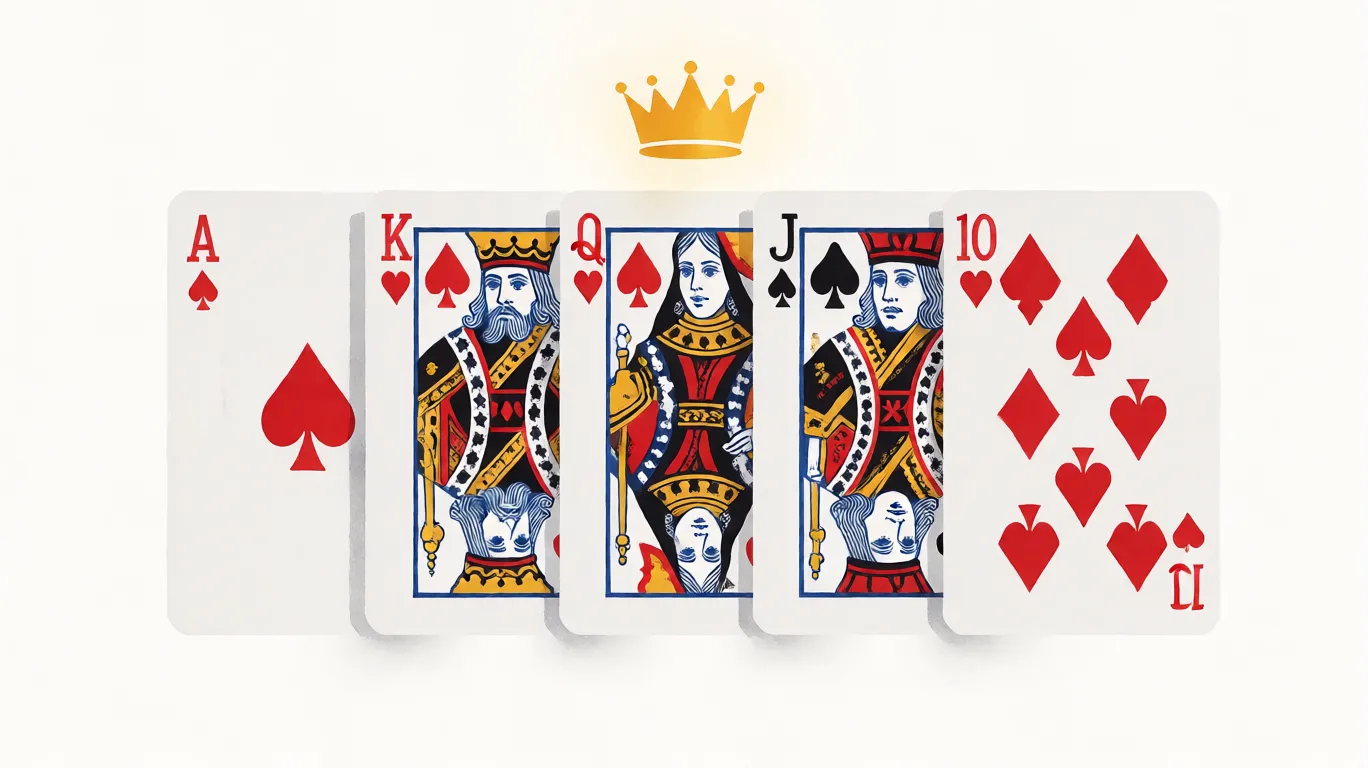
Early blackjack, known as “vingt-et-un” (twenty‑one), appeared in French casinos with rules looser than today’s. Players could often choose when to stand or draw, but the dealer procedures were not yet fixed to “hit on 16, stand on 17” conventions. Some houses allowed special side bets, such as bonuses for a natural 21 with the ace of spades and a black jack (a court card). Payout ratios also differed, with certain tables offering higher returns to attract skilled patrons. As competition grew, casinos gradually unified dealing rules, shoe management, and reshuffling practices to control card counting and reduce disputes.
Baccarat in French royal courts and clubs
Baccarat took shape in French royal courts as a prestige game emphasizing ritual over speed. Nobles favored it because its drawing rules, where the banker and player hands follow fixed charts, limited open conflict over decisions. In private clubs, hosts often acted as the banker, assuming both social status and financial risk. Betting circles formed around the table, with observers staking on either the banker or player outcome, similar to modern punto banco formats. As the game left the palace and entered elite clubs, record‑keeping of wagers, commissions, and credit lines became more systematic, foreshadowing modern casino accounting. scroll that
Craps evolving from the English game hazard
Craps evolved from the English dice game hazard by simplifying its complex betting structure. Hazard involved many possible “mains” and “chances,” which confused casual players and slowed play. French and English gamblers gradually streamlined the rules, focusing on a single come‑out roll and a limited set of point numbers. This shift made the game faster and easier to learn, ideal for informal street and tavern play. When the game crossed the Atlantic, American players refined the layout further, turning it into the modern craps table with clear pass, don’t pass, and odds bets aligned along the rail.
Real examples of 18th‑century betting limits
Eighteenth‑century betting limits were imposed to manage risk and maintain social order at the tables. In many licensed Parisian houses, maximum wagers on roulette or vingt‑et‑un were capped at a fixed multiple of the minimum stake, often ten or twenty times. Some royal decrees restricted total nightly losses for nobles, aiming to prevent politically sensitive bankruptcies. Private clubs used written house rules specifying table minimums in livres or louis d’or, with higher limits in secluded “high play” rooms. These historical caps show that even early operators used structured limits, bankroll management, and table segmentation to keep games sustainable and profitable.
Riverboats, Saloons, And The American Casino Style
From smoky frontier saloons to elegant Mississippi riverboats, 19th‑century gambling culture shaped the modern American casino. By tracing key games, venues, and legal shifts, you can see how a loose, improvised pastime evolved into a structured industry.
Faro tables in Old West saloons
Faro was the signature card game of Old West saloons and a forerunner of today’s casino pit. Players bet on cards from a single deck, while a “banker” or dealer managed payouts and controlled the house edge. Because rounds were fast and rules simple, faro tables could handle many wagers per hour, boosting revenue for saloon owners. However, the game’s popularity also invited cheating, including stacked decks and rigged dealing boxes, which damaged trust. As regulation tightened and more standardized games appeared, faro declined, but its layout, betting markers, and dealer‑run bank directly influenced modern table‑game design.
Mississippi riverboat poker cash games
Mississippi riverboats turned poker cash games into a mobile gambling economy that linked regional markets along the river. Professional “sharpers” and merchants played side by side, staking real money in open‑ended sessions rather than fixed tournaments. The constant flow of passengers created a rotating player pool, which encouraged skill development, bluffing tactics, and bankroll management strategies. Riverboat operators often tolerated these games because they attracted high‑spending travelers and bar sales. Over time, this environment standardized hand rankings, betting rounds, and etiquette, laying the groundwork for the structured poker formats seen in contemporary card rooms and casinos.

How roulette and craps crossed the Atlantic
Roulette and craps reached America through European immigrants and quickly adapted to local tastes and legal limits. French and German communities brought early roulette wheels, while soldiers and sailors popularized dice games that evolved into modern craps. Because many jurisdictions restricted “banked” games, operators modified rules and payout tables to reduce perceived risk and avoid enforcement. Riverboats and urban gambling halls then promoted these games as faster, more exciting alternatives to traditional card play. This Atlantic transfer blended European mechanics with American risk culture, creating the high‑energy table experiences now associated with Las Vegas and regional casinos.
Famous 19th‑century gambling towns like New Orleans
New Orleans and other 19th‑century gambling hubs functioned as prototypes for modern casino destinations. The city’s port status and cultural diversity supported a dense network of gaming rooms, from upscale salons to rough back‑alley dens. Visitors could find faro, poker, roulette, and dice games within a few blocks, along with music, alcohol, and sex work. This clustering effect created an early “gaming district,” where competition pushed operators to improve comfort, security, and entertainment value. Similar patterns appeared in towns like Deadwood and San Francisco, where gambling revenues funded hotels, theaters, and infrastructure, previewing the integrated resort model used today.
Real law crackdowns and underground card rooms
Legal crackdowns in the late 19th century pushed much of American gambling from public halls into underground card rooms. Reform movements and new statutes targeted visible saloons and riverboats, imposing fines, license revocations, and police raids. In response, operators shifted to private clubs and back‑room games, often protected by bribes or informal political alliances. These hidden venues reduced overhead but increased risk, since players had little recourse against cheating or robbery. Over time, the tension between prohibition and demand encouraged more systematic regulation, licensing, and oversight, which eventually produced the legal casino frameworks used in Nevada, New Jersey, and tribal jurisdictions.
Las Vegas, Monte Carlo, And The Age Of Glamour
During the mid‑20th century, casino gambling entered a new era of spectacle and style. Las Vegas and Monte Carlo became twin symbols of glamour, each shaping how roulette wheels, blackjack tables, and later electronic games defined modern casino culture. peek this
Roulette and blackjack in Monte Carlo’s main room
Monte Carlo’s main gaming room turned roulette and blackjack into rituals of high society. Players encountered polished mahogany tables, crisply dressed croupiers, and strict betting etiquette that reinforced the casino’s elite image. Roulette, with its single zero wheel, offered a lower house edge than many rivals, attracting serious European gamblers. Blackjack appealed to aristocrats who preferred decisions over pure chance, even before card counting was widely discussed. Together, these table games linked Monte Carlo with controlled risk, refined manners, and a quiet, almost theatrical tension at every spin and deal.
Las Vegas craps tables and high‑energy pits
Las Vegas built its reputation on loud, fast craps tables and crowded pits. Unlike Monte Carlo’s restrained atmosphere, Vegas craps encouraged shouting, cheering, and group betting that pulled in curious onlookers. Casino managers placed craps near entrances to showcase the noise and excitement as live marketing. Dealers, boxmen, and pit bosses kept the game moving quickly, reinforcing the city’s image as a place of action rather than contemplation. As visitor numbers grew, high‑limit craps pits emerged, where big rollers pushed five‑figure bets and helped define the Strip’s legend of risk‑taking glamour.
Slot machines replacing mechanical fruit machines
As technology advanced, classic mechanical fruit machines gave way to modern slot machines. Early electromechanical slots introduced stronger payout controls and more reliable random outcomes, which casinos tracked carefully through drop and win statistics. Soon, fully electronic video slots allowed multiple paylines, themed graphics, and bonus rounds that kept players engaged longer. This shift increased revenue per square foot of floor space, making slots more profitable than many table games. Over time, rows of simple three‑reel fruit machines disappeared, replaced by immersive cabinets that blended animation, sound design, and sophisticated payout algorithms.
Video poker arriving on Vegas casino floors
Video poker arrived in Las Vegas as a bridge between slots and table games. Players used a screen and buttons instead of cards and chips, but still applied strategy based on pay tables that listed returns for each hand. Early machines like Draw Poker and Jacks or Better offered relatively transparent odds, attracting mathematically inclined guests who disliked pure chance. Casinos appreciated that these terminals required no dealers and minimal staffing while still delivering strong handle, the total amount wagered. As pay tables evolved, expert players hunted for full‑pay machines, while casual visitors enjoyed the slower, more private pace compared with crowded pits.
Iconic casinos and the games they were known for
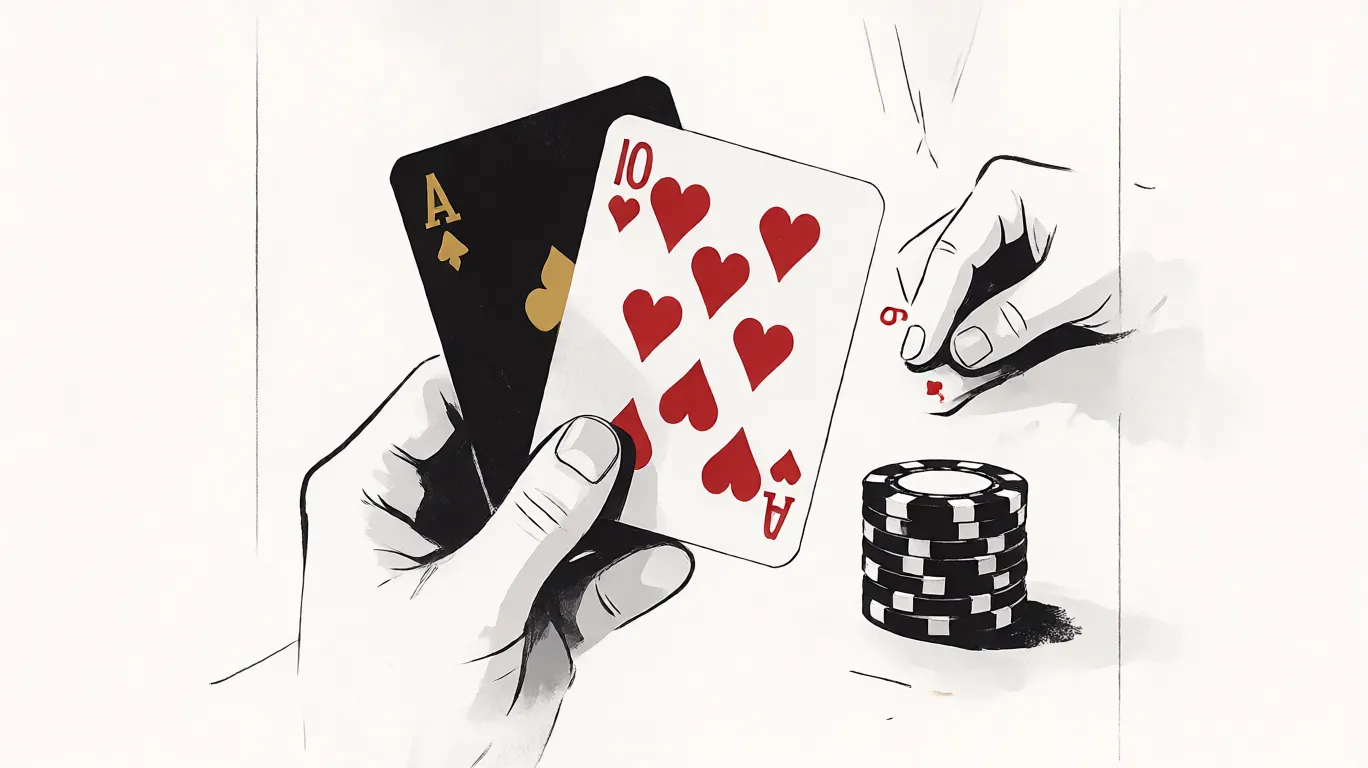
During the glamour era, certain casinos became famous for specific games and player experiences. In Las Vegas, the Sands and the Flamingo drew attention for celebrity‑filled blackjack pits, while Binion’s Horseshoe earned a reputation for high‑limit poker and generous odds. On the Riviera, Monte Carlo’s Casino de Monte‑Carlo remained synonymous with roulette and formal evening wear, reinforcing its luxury brand. Data from gaming reports showed that each property optimized its floor mix to match its image, whether that meant more craps tables for action‑seekers or elegant salons for discreet high‑stakes play. These associations still shape how gamblers imagine classic casinos today.
Online Casinos And Live Dealer Action
Online casinos have evolved from simple digital tables into complex platforms with live dealers, mobile apps, and massive jackpots. Understanding how these systems work helps you judge fairness, choose reputable operators, and manage risk while enjoying modern real-money play.
First online blackjack and roulette sites in the 1990s
The first online blackjack and roulette sites in the 1990s offered basic graphics but a groundbreaking way to wager from home. Early platforms relied on simple downloadable software, dial‑up internet, and limited payment options, yet they proved real‑money casino games could work online. At that time, regulation was light, so licensing jurisdictions such as Antigua and Barbuda or Curacao became early hubs. Game libraries were small, often just a few blackjack variants and a single roulette wheel. Still, these pioneering casinos established core standards: secure account registration, encrypted deposits, and digital game logs. Over time, competition pushed operators to improve payout speeds, expand table limits, and adopt better randomization technology.
Random number generators in digital slot games
Random number generators (RNGs) drive digital slot games by producing unpredictable outcomes for every spin. An RNG is a cryptographic algorithm that continuously cycles through vast number sequences, even when no one is playing. When you press “spin,” the software snapshots the current value and maps it to reel positions and symbols. Independent test labs, such as eCOGRA or iTech Labs, verify that these mappings match the advertised return to player (RTP) percentages. For intermediate players, the key insight is that timing, not patterns, determines results, so strategies based on “due” wins are misleading. Certified RNGs ensure each spin is statistically independent, which supports fair play across thousands or millions of game rounds.
Live dealer roulette and blackjack streamed from studios
Live dealer roulette and blackjack stream real‑time games from professional studios to your device, blending online convenience with a land‑based feel. High‑definition cameras capture the table, dealer, and wheel, while an interface overlays digital chips and betting options. Optical character recognition (OCR) software reads physical events, such as where the roulette ball lands or which cards are dealt, and converts them into data for instant payouts. Players can interact via live chat, and dealers respond verbally, adding social engagement and transparency. Because the games use real cards and wheels, some players feel more confident than with purely digital tables. However, you still rely on the operator’s license, studio security, and game audit reports to confirm integrity. flip this
Progressive jackpot slots with public payout records
Progressive jackpot slots link many players’ wagers into a shared prize pool that can reach six or seven figures. Each qualifying spin contributes a small percentage to the jackpot, which continues to grow until a lucky player hits the winning combination. Major progressive networks, such as Mega Moolah or WowPot, publish headline wins and payout dates, creating public records that you can verify on operator and supplier websites. These records support transparency by showing how often jackpots drop and at what amounts. Still, the odds of winning the top prize remain extremely low, and most of the RTP is allocated to smaller, more frequent wins. As a result, informed players treat progressives as high‑volatility entertainment rather than a reliable strategy.
Mobile casino apps and on‑the‑go real money play
Mobile casino apps enable real‑money play on smartphones and tablets, extending online gambling to almost any location with a data connection. Modern apps use responsive interfaces, biometric logins, and push notifications to streamline access and highlight promotions. Game providers now design “mobile‑first” titles, optimizing touch controls, vertical layouts, and loading times for smaller screens. From a risk‑management perspective, constant access increases the importance of deposit limits, session reminders, and self‑exclusion tools embedded in the app. Reputable operators also implement device‑level encryption and secure payment gateways for cards, e‑wallets, and local banking methods. When evaluating mobile casinos, check app store ratings, licensing information, and independent security certifications before depositing.

New Hybrids, Game Shows, And What Players Choose Now
Modern casino games blend showmanship, data, and math-driven design. To understand where players are heading next, it helps to break down how game-show hybrids work, how boosted payouts and side bets change risk, and how regulation and house edge quietly guide every new release.
Game‑show style wheels like Dream Catcher and Crazy Time
Game-show style wheels such as Dream Catcher and Crazy Time turn simple number bets into live entertainment with frequent small wins. At their core, these games use a large vertical wheel divided into segments, each linked to fixed odds. However, studios add hosts, bright visuals, and bonus rounds to keep engagement high. For example, Crazy Time layers multiple bonus games on top of the base wheel, each with its own multipliers and volatility profile. As a result, the experience feels closer to a TV show than a traditional table, while still following strict probability models.
Lightning roulette and boosted‑payout examples
Lightning Roulette and similar “boosted-payout” titles increase potential returns on selected outcomes while quietly adjusting the base odds. In Lightning Roulette, standard straight-up bets can receive random multipliers, sometimes up to 500x, but non-multiplied hits pay less than in classic European roulette. This trade-off preserves the overall house edge while creating eye-catching top wins. Other games use comparable mechanics, like random “lightning numbers” or “power spins” that enhance specific results. Therefore, players experience higher variance: more dramatic peaks and longer dry spells, driven by the same underlying math.
Side bets in blackjack and baccarat with real odds
Side bets in blackjack and baccarat offer bigger payouts but usually worse odds than the main game. In blackjack, options like Perfect Pairs or 21+3 can pay 25:1 or more, yet often carry a house edge above 6–10%, compared with roughly 0.5–1% on basic-strategy blackjack. Baccarat side bets such as Player/Banker Pair or Dragon Bonus follow the same pattern: attractive paytables with lower hit frequency. Because these wagers resolve independently of the main hand outcome, they add excitement without changing core rules. Still, understanding the true probability behind each side bet is essential to managing bankroll volatility.
Player preferences: slots vs. tables by revenue figures
Revenue data from many regulated markets shows that slots still generate most casino income, often 60–75% of gaming revenue. Table games, including blackjack, roulette, and baccarat, usually contribute a smaller but stable share, sometimes 20–35%, depending on region and player demographics. This imbalance reflects behavior: slot players accept higher house edges in exchange for simplicity, themes, and jackpots. Meanwhile, table players tend to be more price-sensitive and strategy-focused, pushing operators to innovate with hybrids and live shows. Consequently, studios design more “slot-like” tables to tap into the larger, entertainment-driven audience.
How regulation and house edge shape modern game design
Regulation and house edge constraints quietly define what modern casino games can and cannot do. Licensing rules typically require transparent return-to-player (RTP) ranges, certified random number generators, and clear disclosure of maximum payouts. Within those boundaries, designers adjust volatility, bonus frequency, and feature complexity to hit target margins while still feeling fair. For example, a game might offer headline 5,000x wins but balance them with many low-value outcomes to maintain a 96–98% RTP. As regulators tighten standards on clarity and responsible gambling tools, studios respond with more visible odds information and configurable limits built into the game interface.